- nobleeyecare28@gmail.com
- No, 2/496 , east coast road , AGS colony, natesan colony, kottivakam, chennai -41
- Call: +91 7550030041
Eye Refractive Surgeons in Kottivakkam, ECR
REFRACTIVE SURGERIES (LASIK/PRK / TRANS PRK / SMILE)
As an ophthalmologist and refractive surgeon serving patients across Kottivakkam, ECR, OMR, and Chennai, I meet many individuals who struggle with glasses or contact lenses every single day. Most people come to me with one simple expectation: “Doctor, I want to see clearly without depending on spectacles all the time.” Refractive surgeries like LASIK, PRK, SMILE, and advanced laser vision correction are designed exactly for this need, but many patients are unsure whether these procedures are safe, suitable, or long-lasting. Through this guide, I want to help you understand everything clearly—what refractive surgery means, when it is advised, how it works, and what you can expect before and after. My goal is to give you clarity, confidence, and comfort before you take your next step.
Over the years, technological advancements have made refractive surgeries extremely precise, predictable, and personalised. However, every patient’s eyes are unique—your corneal thickness, refractive error, dryness levels, lifestyle, and even age play a major role in deciding which treatment is best for you. This is why a structured eye examination in Kottivakkam, done with advanced diagnostics, is the first and most important step. In this service page, I will walk you through each part of the process, so you feel informed and supported at every stage—just as I would explain during a consultation at my clinic.
What Are Refractive Surgeries?
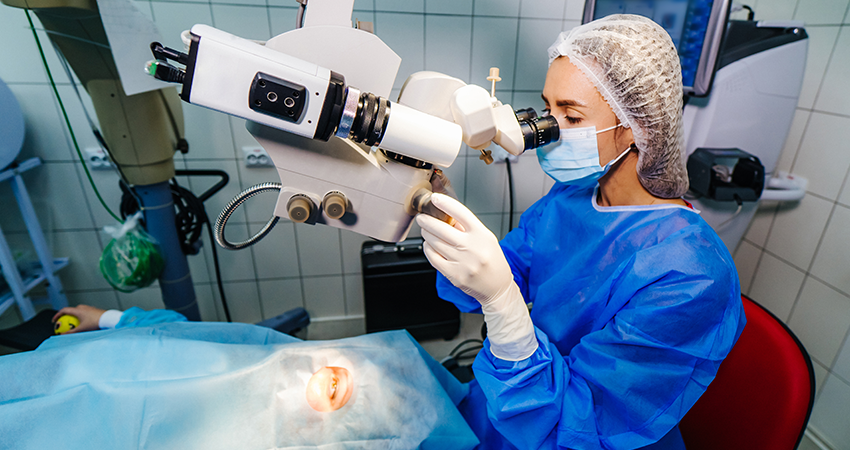
Refractive surgeries are procedures that help correct vision problems such as myopia (short-sightedness), hyperopia (long-sightedness), and astigmatism by reshaping the cornea. Instead of relying on external lenses like spectacles or contacts, laser vision correction changes how light focuses inside your eye, helping you see clearly naturally. As a Cornea & Refractive Specialist, I recommend refractive surgery only after detailed evaluation because every eye requires a customised plan based on measurements, corneal curvature, mapping results, and overall eye health. If you are living in Kottivakkam, ECR, OMR, or nearby areas, and considering freedom from glasses, this section will help you understand the basics.
Most people believe LASIK is the only option, but refractive surgery includes several alternatives like PRK, Trans-PRK, Femto-LASIK, Contoura, SMILE, and ICL. Each method has its own advantages, and your suitability depends on clinical findings—not just preference. My responsibility as your doctor is to guide you toward the safest, most accurate choice. With modern technology, we now offer blade-free, touch-free, and highly advanced procedures that protect the cornea while ensuring excellent visual outcomes.
Key Benefits
- Long-lasting vision improvement with advanced technology
- Permanent reduction of glasses or lens dependency
- Quick, painless, and safe procedure
- Fast recovery and visual clarity
- Suitable for students, professionals, and active individuals
- Highly customised treatment plans
When Do You Need Refractive Surgery?
People usually start exploring refractive surgery when their daily activities become uncomfortable with glasses—especially students, IT professionals, athletes, and frequent travellers. If your power has remained stable for at least one year and your eye health is normal, you might be an excellent candidate. During consultations at my clinic in Kottivakkam, patients often ask: “Doctor, how do I know if I’m eligible?” The answer lies in corneal thickness, topography, dryness levels, pupil size, and general health conditions. A comprehensive exam gives us a clear picture.
It is equally important to understand that refractive surgery is not only for cosmetic convenience; it significantly improves quality of life. Yet, it is not suitable for everyone. Individuals with thin corneas, unstable power, certain retinal issues, or severe dryness may need alternative treatments like ICL or specialised procedures. This is why no surgery is decided in a hurry—it is always customised to your eye safety and long-term vision stability.
You Should Consider Surgery If:
- You seek a safe, permanent solution for clearer vision
- Your spectacle power is stable
- Glasses interfere with your daily activities
- You have difficulty wearing or tolerating contact lenses
- You want long-term visual freedom
- Your corneal thickness and eye health are suitable
Types Of Refractive Surgery We Offer
At my practice, I offer a wide range of refractive solutions tailored to each patient’s eye condition. LASIK and SMILE continue to be among the most popular options, but advanced customised procedures like Contoura Vision and Femto-second laser LASIK provide superior accuracy. As a Cornea & Refractive Surgeon, my goal is to ensure that your chosen procedure is not only effective but also safe and future-proof.
Some patients worry that laser surgery may be painful, but modern techniques are bladeless, flapless (depending on the procedure), and extremely gentle. Most patients resume daily activities within 24 hours. For individuals with thin corneas or high power, ICL (implantable contact lens) serves as an excellent alternative without reshaping the cornea. All these options are discussed transparently during consultation.
Types of Surgeries Available
- Topo-Guided LASIK – Enhanced precision for sharper visual outcomes
- LASIK – Blade-free vision correction
- SMILE – Minimally invasive, fastest recovery
- PRK / Trans-PRK – For thin corneas
- Contoura Vision – Customized corneal mapping
- ICL – For high powers or unsuitable corneas
Lasik Eye Surgery In Kottivakkam, ECR
LASIK is one of the most advanced and widely trusted refractive correction procedures, offering fast recovery and highly precise results. Using state-of-the-art bladeless laser technology, LASIK reshapes the cornea to correct myopia, hyperopia, and astigmatism within minutes. Most patients experience significantly clearer vision within the first 24 hours, making it an excellent choice for those wanting quick visual freedom.
For individuals seeking a safe and effective alternative to spectacles or contact lenses, LASIK eye surgery in Kottivakkam provides long-term clarity with minimal downtime. It is ideal for professionals, students, and active individuals who prefer a lifestyle without visual dependency. With modern diagnostics and advanced screening methods, LASIK ensures accuracy, stability, and exceptional visual outcomes for eligible candidates.
Benefits of LASIK
- Fast recovery with minimal discomfort
- High accuracy and predictable results
- Ideal for myopia, hyperopia & astigmatism
- Suitable for active lifestyles
- Long-term vision stability
- Bladeless, safe, and highly advanced
PRK Eye Surgery in Kottivakkam, ECR
PRK (Photorefractive Keratectomy) is a flapless refractive procedure designed for patients who may not qualify for LASIK due to thinner corneas or specific eye conditions. Instead of creating a flap, the outer corneal surface is removed and reshaped using a laser, providing excellent long-term visual correction. PRK offers maximum tissue preservation and structural safety, making it a reliable refractive option.
PRK eye surgery in Kottivakkam is particularly beneficial for individuals in physically demanding professions—such as sports, defense, and outdoor work—where corneal stability is crucial. Although the recovery is slightly longer compared to LASIK, the results are equally effective, offering sharp, clear, and stable vision. It remains one of the safest and time-tested procedures for a wide range of refractive errors.
Benefits of PRK
- No corneal flap — ideal for thin corneas
- Highly stable long-term results
- Suitable for heavy physical activity
- Enhanced structural safety
- Effective for multiple refractive errors
- Excellent visual clarity with proper healing
Trans PRK Eye Surgery in Kottivakkam, ECR
Trans PRK (Transepithelial PRK) is an advanced, fully “no-touch” refractive correction technique where the laser removes both the epithelium and reshapes the cornea in a single step. This eliminates the need for blades, alcohol, or surgical instruments, making the procedure extremely gentle and modern. Patients experience reduced discomfort and faster surface healing compared to traditional PRK.
Trans PRK eye surgery in Kottivakkam is ideal for individuals with sensitive eyes, irregular corneas, or those who prefer a contact-free approach. Since the entire procedure is performed by the laser, precision and accuracy are significantly enhanced. The technique provides excellent long-term results, minimal tissue disruption, and superior safety for a wide range of refractive conditions.
Benefits of Trans PRK
- 100% no-touch laser procedure
- No blades, alcohol, or surgical instruments
- Faster healing than traditional PRK
- Enhanced comfort and safety
- Ideal for sensitive or irregular corneas
- High precision with laser-only technique
Smile Eye Surgery In Kottivakkam, ECR
SMILE (Small Incision Lenticule Extraction) is the newest generation of laser vision correction offering a minimally invasive, flapless approach. A tiny micro-incision is created, and a small lenticule is removed to reshape the cornea, preserving more corneal strength and reducing dry eye symptoms. SMILE ensures a comfortable experience with minimal irritation and rapid visual restoration.
SMILE eye surgery in Kottivakkam is especially suitable for individuals with high myopia, dry eyes, or those who want a gentle yet highly precise refractive correction. Its key advantage is the extremely small incision, which promotes quicker healing, enhanced biomechanical stability, and long-term safety. SMILE is one of the most technologically advanced refractive procedures available today.
Benefits of SMILE
- Flapless, minimally invasive procedure
- Reduced dry eye symptoms
- Stronger corneal biomechanics
- Ideal for high myopia
- Quick recovery and improved comfort
- Long-lasting and highly precise results
How To Prepare For Refractive Surgery
Preparing for refractive surgery is quite simple, but an organised approach ensures smooth evaluation and surgery planning. Before the procedure, a detailed assessment is essential to ensure safety and suitability. Many patients from Kottivakkam and ECR usually ask: “Do I need to stop contact lenses?” Yes—soft lens users should stop wearing them for at least 5–7 days before evaluation, while hard lens users need a longer break. Hydration, sleep, and avoiding eye strain for a day or two before the test also help.
During evaluation, we perform corneal topography, pachymetry, retina checks, tear film assessment, and pupil analysis. These measurements help us choose the safest and most accurate surgical plan. You can eat normally on the day of the procedure; there is no fasting. Once the plan is finalised, we explain your personalised roadmap, expected results, and after-care routine.
Pre-Surgery Checklist
- Discontinue contact lenses before evaluation
- Sleep well the previous night
- Avoid applying eye makeup
- Bring your old prescriptions
- Discuss medical history in detail
- Stay hydrated and follow pre-checkup instructions carefully
What To Expect During The Procedure
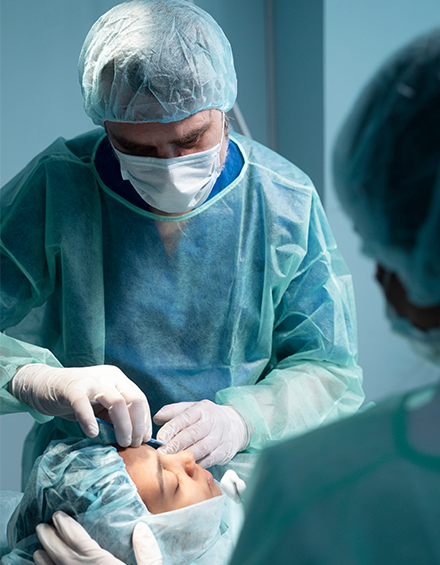
The procedure itself is extremely quick, painless, and performed under numbing eye drops. Most patients tell me after surgery: “Doctor, I didn’t even realise when it was done!” Depending on the procedure, it takes between 10–15 minutes for both eyes. There are no injections, stitches, or hospital admission required. Your eyes may feel slightly watery or sensitive for a few hours, but this is normal and settles quickly.
You will rest for a short while after the procedure and can go home the same day. Protective shields will be provided to avoid accidental eye rubbing. Vision starts improving within hours, and complete clarity happens over the next few days depending on the technique used.
During Surgery You Will Experience
- Calm, comfortable, and fully guided experience throughout
- No pain
- Mild pressure or light sensitivity
- Quick procedure time
- No stitches or bandages
- Immediate improvement in sight
Post-surgery Care And Recovery
Recovery is quick, but proper after-care ensures the best results. As a refractive surgeon, I emphasise the importance of using prescribed eye drops on schedule because they help heal the cornea smoothly. Most of my patients in Kottivakkam and OMR return to work within a day or two after LASIK or SMILE. PRK may require a slightly longer recovery, but the outcomes remain excellent.
Avoid rubbing your eyes for at least a month. Sunglasses are recommended outdoors, and screen time should be controlled for the first few days. Swimming, eye makeup, and dusty environments should be avoided for a short period. Follow-up visits help us monitor healing and ensure vision stabilises well.
Post-Surgery Do’s
- Keep your eyes protected from dust and wind
- Use eye drops as advised
- Wear sunglasses outdoors
- Avoid rubbing eyes
- Limit screen time temporarily
- Attend follow-ups regularly
Who Is the Right Person for Vision Correction Surgery?
Suitability for refractive surgery depends on multiple factors. As a Cornea & Refractive Specialist, I evaluate every patient thoroughly before recommending any procedure. People often assume that power alone decides eligibility, but the truth is corneal mapping, stability of power, dryness levels, and retina status are equally important. You may not feel any symptoms, but diagnostic scans may show changes that influence surgical choice.
You are likely a good candidate if you are above 18 years, have stable power, and maintain good eye health. Even if your cornea is thin or power is high, alternatives like PRK or ICL can still help you achieve spectacle-free vision. So, unless proven otherwise, never assume you are “not fit” for surgery—many patients qualify once they undergo proper evaluation.
Ideal Candidates
- Realistic expectations and commitment to follow-up care
- Ages 18–45
- Stable prescription
- Good corneal thickness
- No active dryness or infections
- Normal retina and general health
Why Choose Dr. Benita J For Refractive Surgeries?
As a Consultant Ophthalmologist, Cornea & Refractive Surgeon with over 7 years of experience, my focus has always been on providing safe, evidence-based and personalised eye care. I believe refractive surgery is not just a procedure; it is a major lifestyle change for every patient. This is why I ensure that every consultation, every diagnostic step, and every treatment plan is customised with utmost precision and compassion. Patients often share that what gives them confidence is not just the technology, but the clarity and reassurance they receive during the process.
Our clinic is equipped with advanced corneal diagnostics, high-precision mapping, and modern laser platforms that help deliver accurate and predictable results. Whether you are from Kottivakkam, ECR, OMR, Thiruvanmiyur, or Adyar, my goal is to make your journey comfortable, transparent, and completely personalised from start to finish.
Why Patients Trust Us
- Specialist in Cornea & Refractive Surgeries
- Safe, ethical care with a focus on long-term eye health
- Advanced diagnostic technology
- Personalised, evidence-based treatment plans
- Transparent guidance and post-surgery follow-up
- Excellent patient satisfaction
Conclusion
Refractive surgeries are life-changing, but the decision should always be informed. If you are considering laser eye surgery in Kottivakkam, I encourage you to come for a complete evaluation so we can understand your eyes better and see whether LASIK, SMILE, PRK, or ICL is best suited for you. As your doctor, my commitment is to ensure your vision is not only clear but also safe and stable for years to come.
You deserve to enjoy your routine with comfort—studying, driving, sports, work, travel, or simply waking up and seeing clearly without searching for your glasses. With modern refractive technology, this is fully achievable when planned correctly under expert care.
Book Your Complete Refractive Evaluation Today — Let’s Find the Safest, Most Accurate Way to Give You Clear, Glass-Free Vision.
Frequently Asked Question
-
1. Is LASIK eye surgery safe and permanent?
Yes. LASIK is considered one of the safest vision correction procedures with long-term stability. Most patients enjoy permanent results, though natural age-related changes may still occur over time.
-
2. What is the difference between LASIK, PRK, Trans PRK, and SMILE?
LASIK involves creating a flap, PRK removes only the surface layer, Trans PRK is a no-touch laser version of PRK, and SMILE uses keyhole technology without a flap. Each option is chosen based on corneal thickness, lifestyle, and eye health.
-
3. How long does it take to recover after refractive surgery?
Recovery varies by procedure—LASIK offers the fastest (24–48 hours), PRK and Trans PRK require a few days to a week, while SMILE recovery is typically smooth and quick. Complete visual stabilization may take a few weeks.
-
4. Who is the right person for refractive eye surgery?
Anyone above 18 with stable power, healthy corneas, and no active eye disease may qualify. A detailed evaluation helps determine which procedure suits your eyes and lifestyle best.
-
5. Are refractive surgeries painful?
No. These procedures are performed under numbing eye drops. You may feel mild dryness or discomfort afterward depending on the technique, but it settles quickly with medications and rest.

